All Categories
Featured
Navigating the Social Architecture of Your New 2026 City

Why Regional Moving Solutions Are More Sustainable in 2026
Table of Contents

Urban centers in 2026 have become more compact as residential density increases to meet housing demands. This shift creates a unique environment for anyone planning a move within the metropolitan area. Navigating narrow streets, managing strict building protocols, and coordinating with digital traffic management systems are now standard parts of the relocation process. As neighborhoods evolve, the methods used to transport belongings from one high-rise to another have adapted to reflect a focus on precision and efficiency.
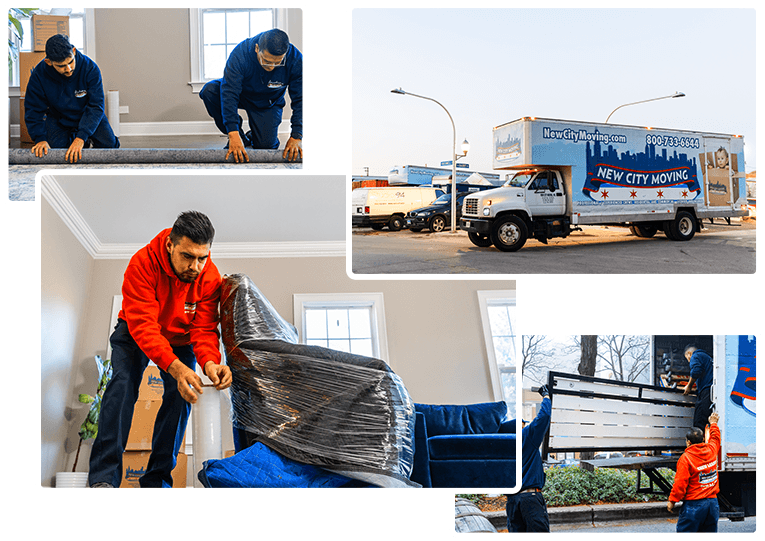
Logistical Realities in the Modern Urban Core
The streets of 2026 are managed by sophisticated AI traffic controllers that prioritize public transit and micro-mobility lanes. For traditional moving vehicles, this means window-thin arrival times and the necessity of pre-booked loading zones. City ordinances in the region now often require movers to use electric-powered vans to reduce noise and emissions in residential zones. These regulations help maintain the quality of life in busy areas but add a layer of planning for those transitioning between homes.
Building managers have also tightened their grip on move-in days. It is common for high-rise developments to require a digital certificate of insurance and a pre-cleared logistics plan before a single box enters the lobby. Elevators are frequently booked weeks in advance through building apps, leaving little room for error or delays. Success in this environment depends on understanding these localized rules and ensuring every detail aligns with the specific requirements of the property management teams.
Professional coordination has moved beyond simple manual labor. Most relocations now involve a digital walkthrough where 3D scans of the old and new spaces are compared. This technology ensures that large furniture items will actually fit through doorways and around tight corners, preventing the common 2026 headache of a sofa that cannot clear a modern hallway. Growing reliance on Corporate Moving shows how much residents value precision over guesswork when moving into smaller, more expensive square footage.
Space Management and Minimalist Trends
The apartments of 2026 often emphasize efficiency over raw size. Micro-units and "transformer" apartments with movable walls are becoming more frequent in the local market. Moving into these spaces requires a different mindset. Instead of bringing every possession, many residents use the move as an opportunity to audit their belongings. Digital inventory tools help people decide what to keep, what to sell on secondary markets, and what to put into specialized off-site storage.
Storage solutions have also undergone a change. Instead of large, dusty lockers on the outskirts of town, 2026 sees the rise of valet storage. Items are picked up, photographed, and stored in climate-controlled facilities, then delivered back to the resident within hours of a request. This system allows people to live in smaller urban footprints without sacrificing access to seasonal items or hobby equipment. It is a practical response to the high cost of square footage in the surrounding area.
Neighborhood Transitions and Community Integration
Moving between neighborhoods in 2026 is about more than just changing an address. Each district often has its own set of environmental rules and community standards. Some areas in urban centers have implemented "quiet hours" for all commercial activity, including moving, while others might have restricted access for vehicles during peak pedestrian times. Being aware of these nuances helps prevent fines and makes the first day in a new home much smoother.
The social aspect of relocating has also shifted. Many buildings now use private social networks to introduce new residents. Instead of an anonymous move, neighbors are often alerted when someone is joining the community, sometimes resulting in shared advice on the best local delivery spots or hidden gems in the area. This immediate connection helps mitigate the isolation that can sometimes accompany a move into a dense, fast-paced environment.
Local businesses often play a part in these transitions. Small-scale service providers have adapted by offering "settling-in" packages that go beyond just moving boxes. These might include setting up home networks, assembling modular furniture, or coordinating with local waste management for box recycling. Utilizing Full-Service Corporate Moving Agency has become a standard way for residents to manage these multifaceted tasks without becoming overwhelmed by the sheer volume of coordination required.
Technology and the Future of Moving
Moving trucks are increasingly autonomous or semi-autonomous in 2026, especially on the major thoroughfares of the region. These vehicles communicate with city infrastructure to find the fastest routes and most accessible parking. Inside the home, smart boxes equipped with sensors can track the orientation and temperature of fragile items, sending alerts to a smartphone if a box is handled roughly. This level of transparency provides peace of mind that was previously unavailable during the chaos of a moving day.
Sustainability is another factor driving change. Reusable plastic bins have almost entirely replaced cardboard in the urban sector. These bins are part of a circular economy where they are rented, used, and then picked up by the moving company to be cleaned and sent to the next customer. This reduces waste and simplifies the unpacking process, as there are no mountains of tape and paper to dispose of at the end of the day. It reflects a broader trend toward more responsible urban living that defines the current year.
The physical act of moving remains a significant life event, but the tools available in 2026 have made it more predictable. By combining digital planning with a deep understanding of local logistics, residents can navigate the complexities of high-density living. Whether moving a few blocks or across the city, the focus remains on minimizing disruption and maximizing the efficiency of the transition. Urban life requires flexibility, and the moving industry has stepped up to provide the specialized support needed to thrive in these evolving spaces.
As the metro area continues to grow, the demand for sophisticated relocation strategies will only increase. The days of hauling heavy furniture up three flights of stairs without a plan are largely gone, replaced by a world of scheduled elevator times, electric vans, and 3D-mapped floor plans. This evolution ensures that even as living spaces become tighter, the process of getting into them remains manageable for everyone involved.

Latest Posts
Navigating the Social Architecture of Your New 2026 City
Why Regional Moving Solutions Are More Sustainable in 2026